Sumida Gawa Pottery
The Story of Japan’s Most Expressive Ceramics
When people think of Japanese pottery, names like Raku, Imari, or Kutani often come to mind. Yet tucked within the cultural crossroads of late 19th-century Tokyo lies a lesser-known but deeply fascinating ceramic tradition: Sumida Gawa pottery. Bold, narrative, and unmistakably sculptural, Sumida Gawa ware captures a moment when Japan was redefining itself—and its art—for the modern world.
What Is Sumida Gawa Pottery?
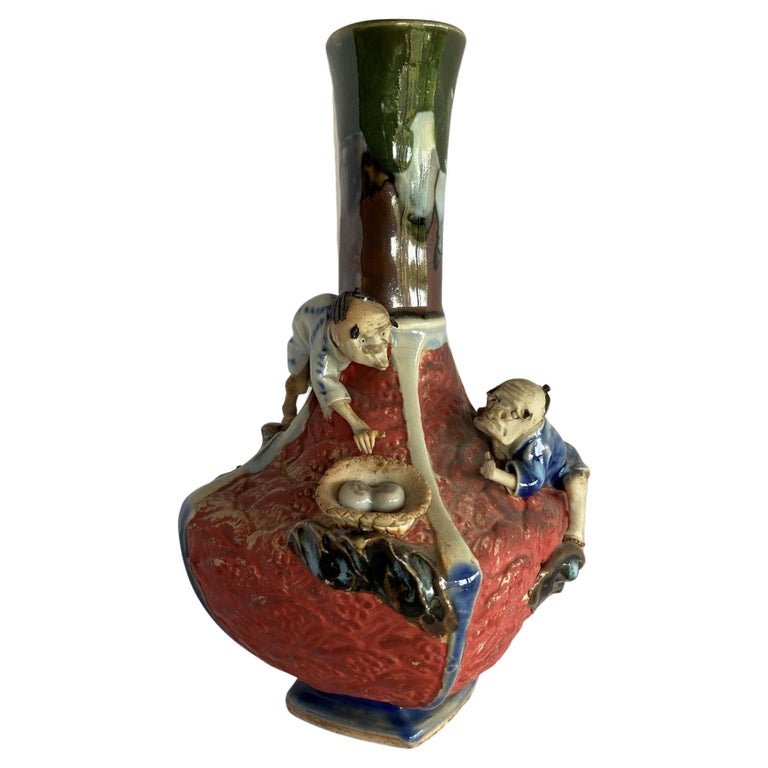
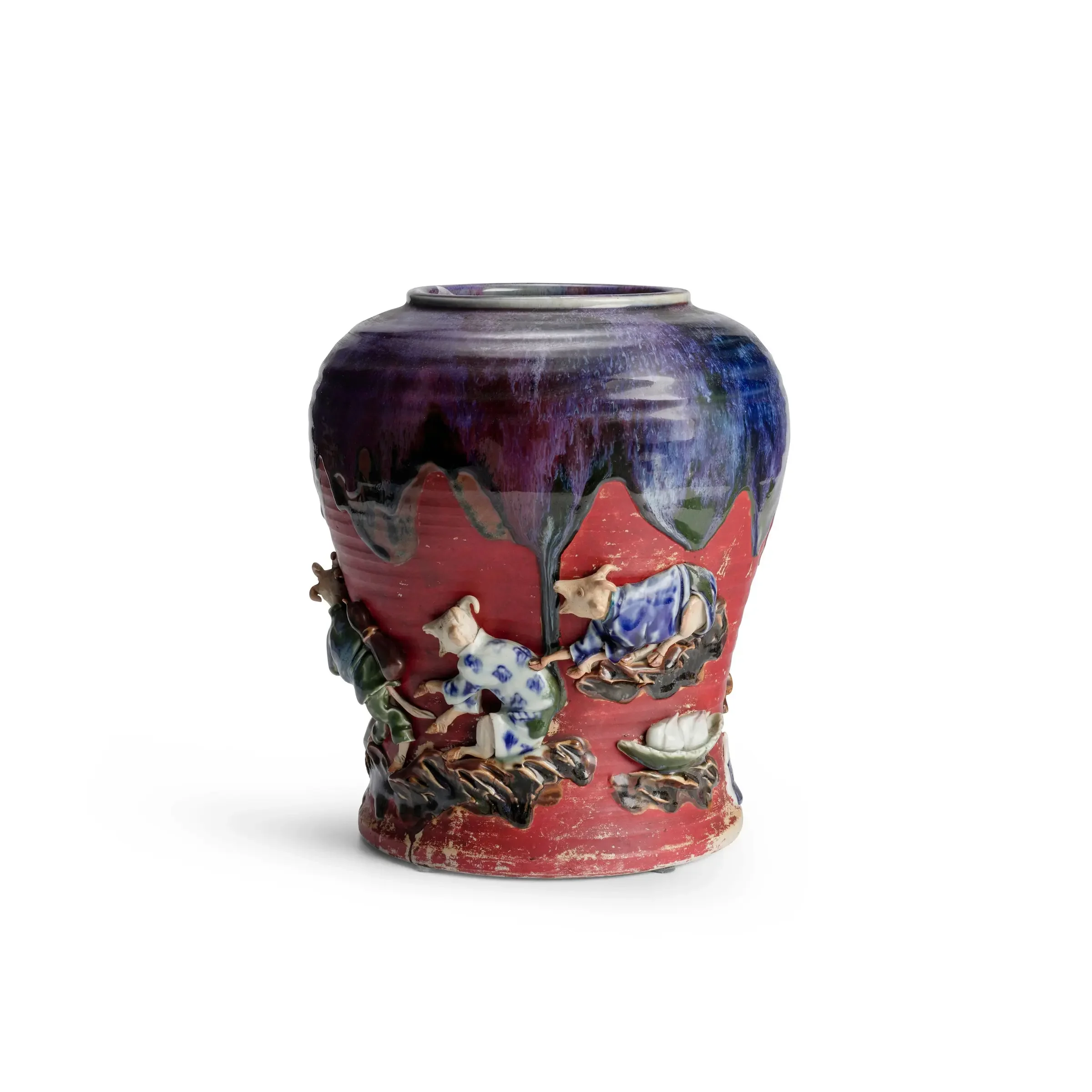
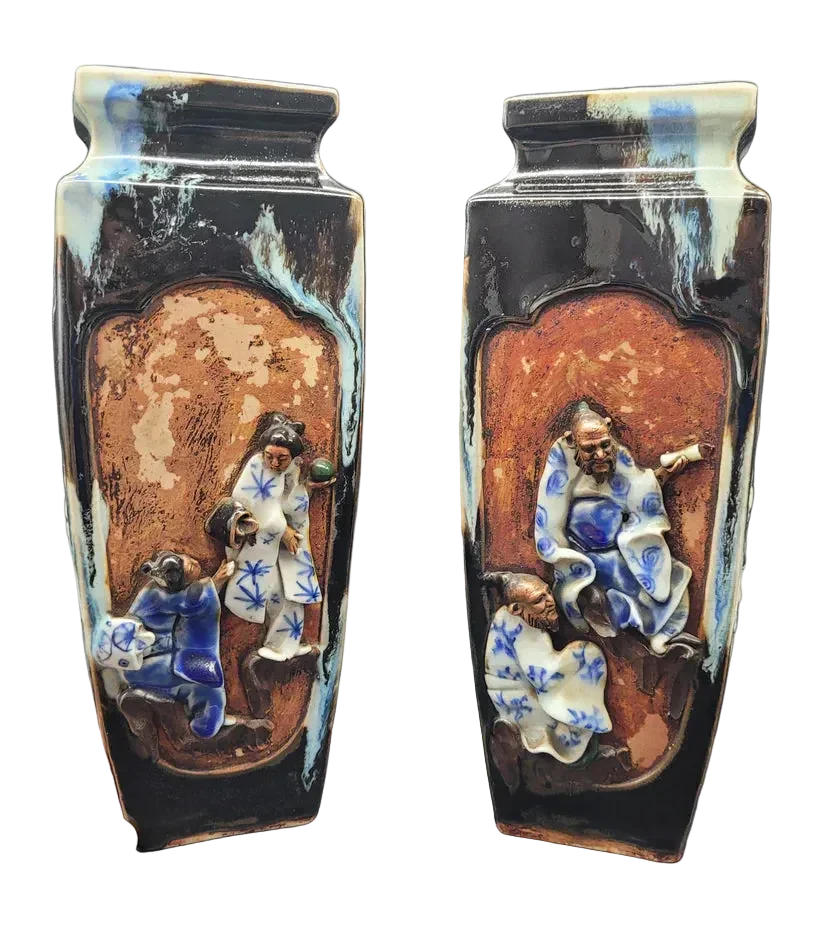
Sumida Gawa (隅田川) pottery refers to a distinctive style of Japanese ceramics produced primarily along the Sumida River in Tokyo during the Meiji period (1868–1912). Unlike many earlier Japanese wares that emphasized refined forms and subtle decoration, Sumida Gawa pottery is known for its high-relief modeling, storytelling imagery, and dramatic, almost theatrical presence.
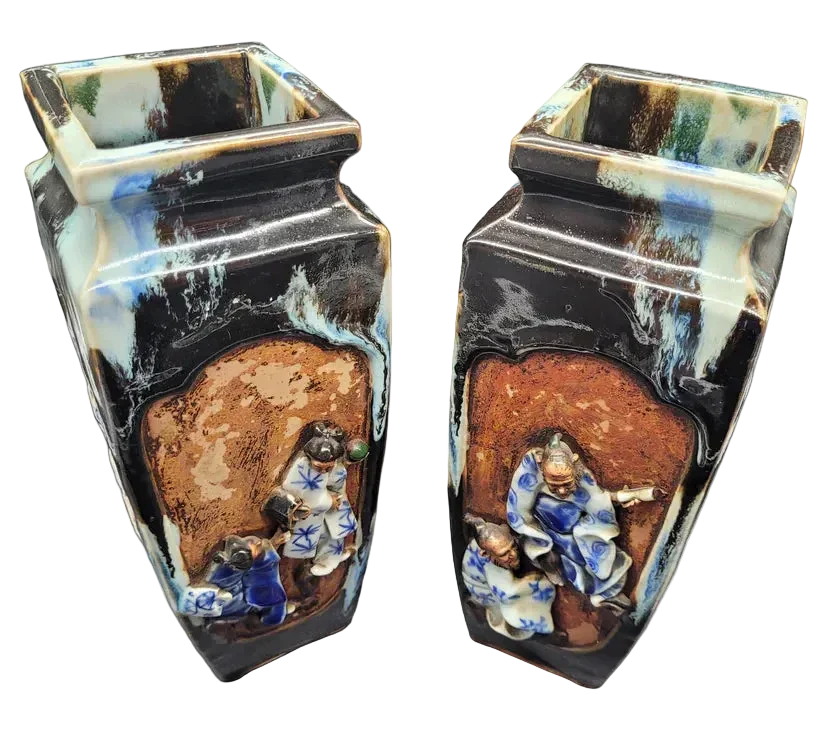
These pieces were often created for export, aimed at Western collectors fascinated by Japan’s newly opened culture. As a result, Sumida Gawa ceramics occupy a unique space between traditional Japanese craftsmanship and the demands of an international market.
Historical Context: The Meiji Era and Cultural Transformation
The Meiji Restoration marked a turning point in Japanese history. After centuries of isolation, Japan rapidly industrialized and engaged with Europe and the United States. Artisans were encouraged to produce works for world expositions and export, showcasing Japanese culture abroad.
The Sumida River area was already a vibrant hub of craft production, and potters there adapted quickly. They began producing ceramics that were:
More visually dramatic
Rich in narrative and symbolism
Designed to appeal to Western tastes for exoticism and detail
Sumida Gawa pottery became a visual ambassador of Japan during this period of cultural negotiation and reinvention.
Distinctive Characteristics of Sumida Gawa Ware
Sculptural, High-Relief Decoration
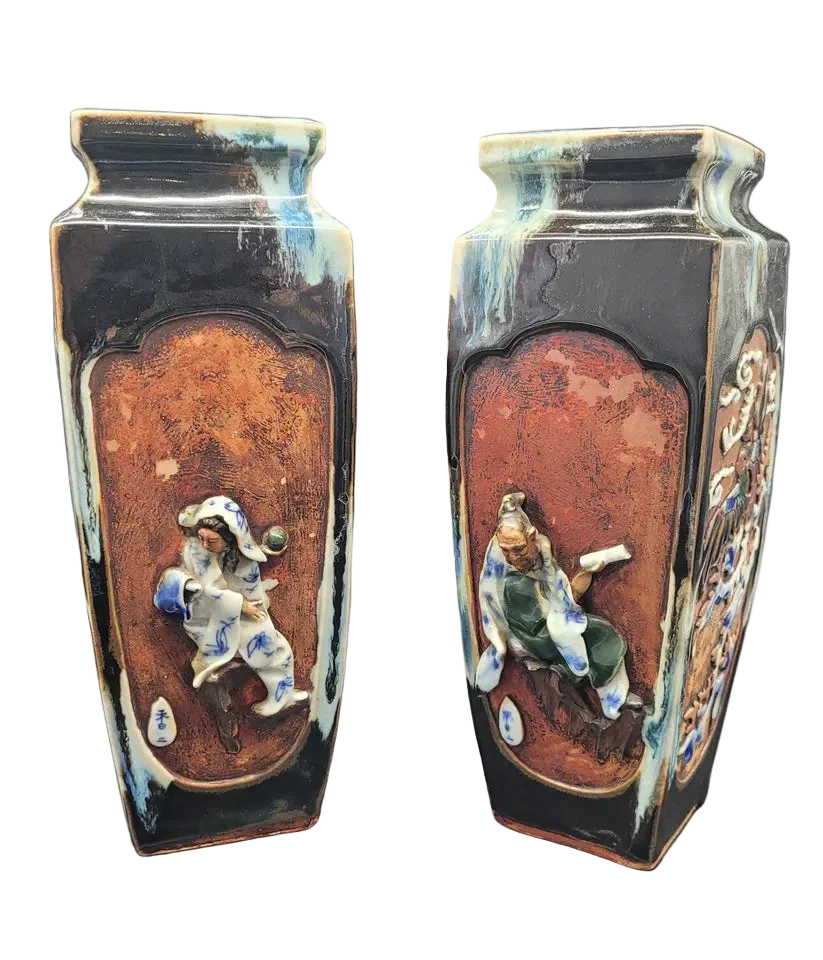
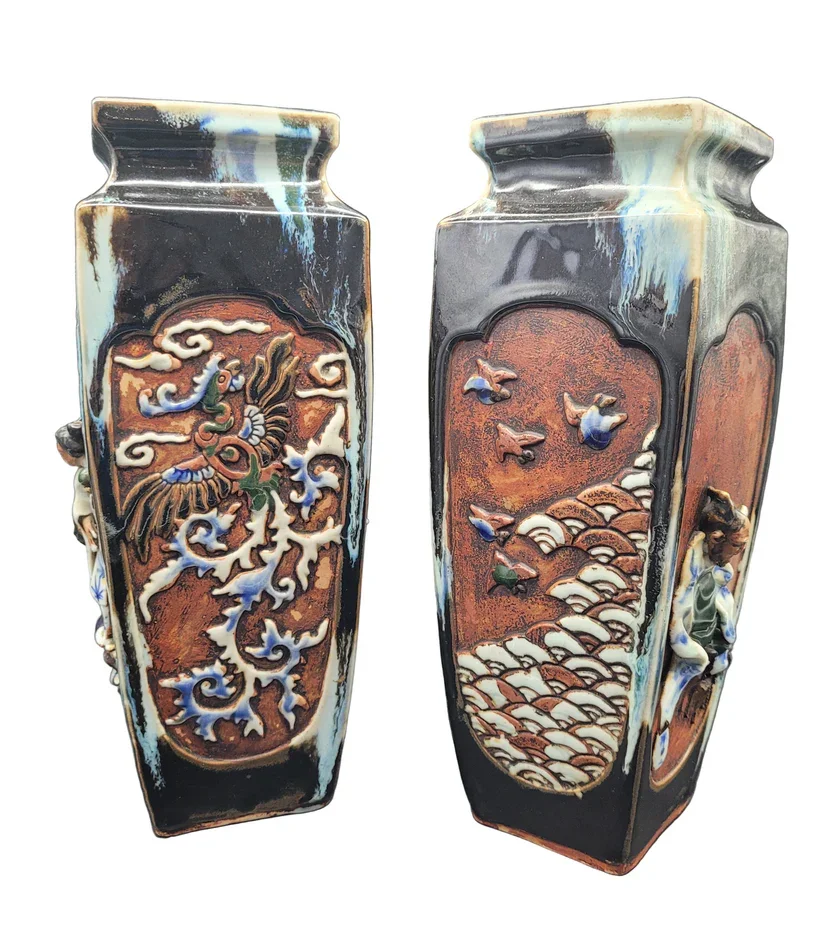
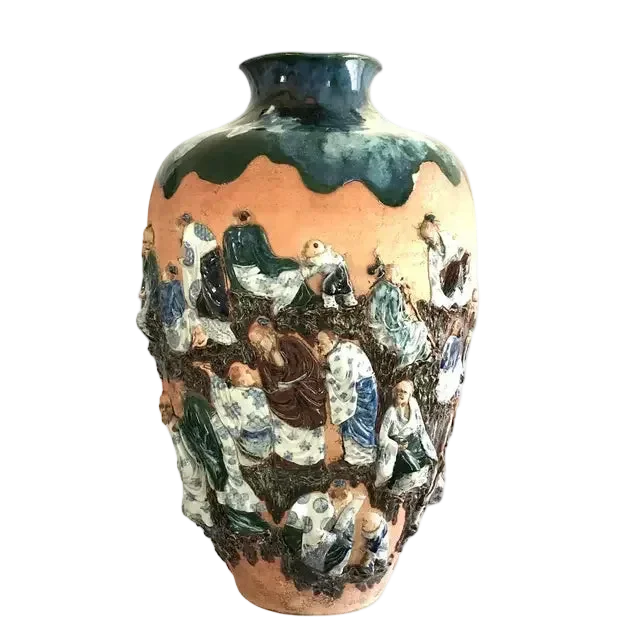
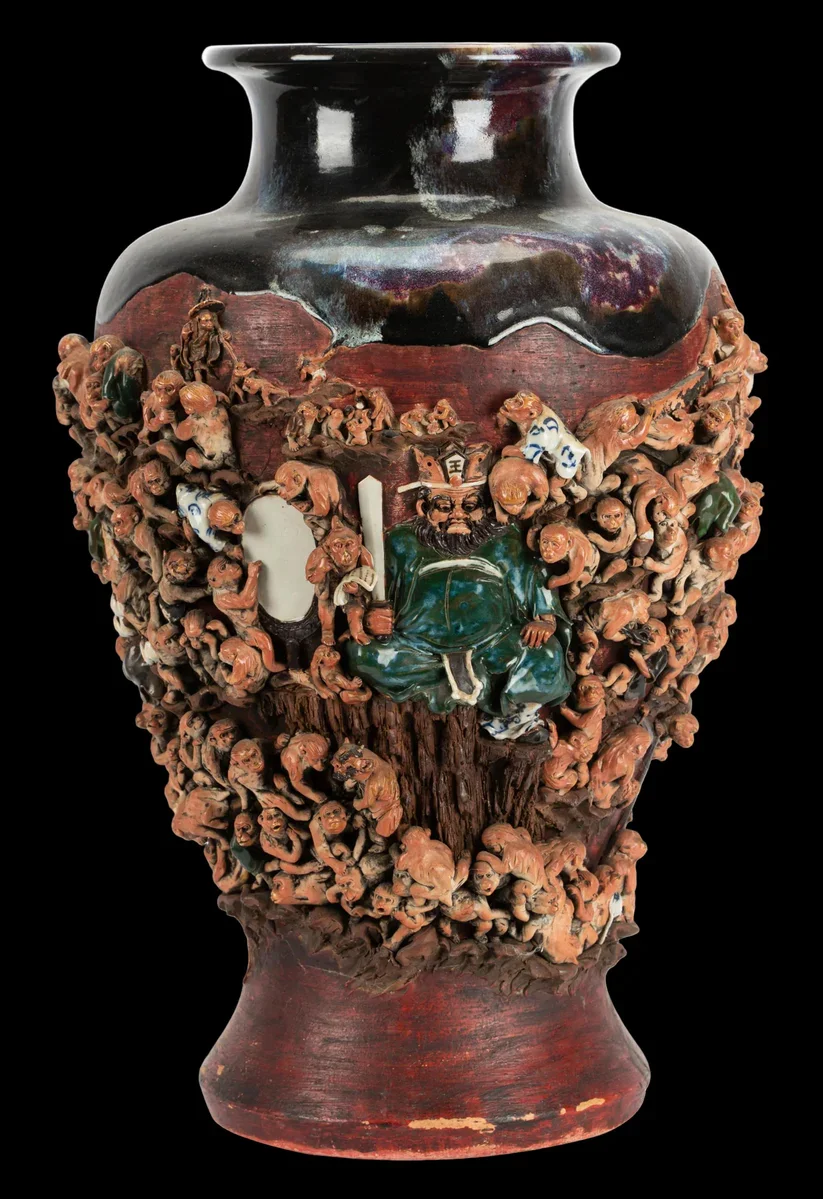
One of the most striking features of Sumida Gawa pottery is its three-dimensional decoration. Figures often project dramatically from the surface of vases or vessels, blurring the line between pottery and sculpture.
Common subjects include:
Samurai and warriors
Geisha and court ladies
Buddhist monks and immortals
Characters from folklore and legend
These scenes are not merely decorative; they often tell a story, inviting the viewer to linger and interpret.
Earthy Glazes and Natural Textures
Sumida Gawa pieces typically use muted, earthy glazes—browns, greens, creams, and ochres—rather than the bright enamels seen in other export wares. The glazes often pool and break over textured surfaces, enhancing the sense of movement and depth.
This restrained palette allows the sculptural forms to take center stage.
Expressive, Almost Theatrical Style
Faces on Sumida Gawa figures are often highly expressive, sometimes exaggerated. There is a sense of drama and emotion that feels closer to woodblock prints or Noh theater than to minimalist ceramic traditions.
This expressiveness is one reason Sumida Gawa pottery feels so modern, even today.
Notable Artists and Workshops
While many Sumida Gawa pieces were produced in workshops rather than signed studios, several artists are associated with the style. One of the most notable is Makuzu Kōzan, whose work helped elevate ceramic art to fine art status during the Meiji period. Other potters in the Sumida area followed similar approaches, contributing to a loosely connected movement rather than a single school.
Because many pieces are unsigned or marked only with general stamps, attribution can be challenging—part of what makes collecting and studying Sumida Gawa ware so intriguing.

Sumida Gawa Pottery and the Western Market
Western collectors in the late 19th century were captivated by Sumida Gawa ceramics. The combination of storytelling, craftsmanship, and “exotic” imagery aligned perfectly with Victorian tastes. These works appeared at world fairs, in private collections, and eventually in museum holdings across Europe and America.
Ironically, while these ceramics were highly valued abroad, they were sometimes viewed as overly decorative or commercial within Japan itself—a tension that still shapes how Sumida Gawa pottery is evaluated today.
Collecting and Appreciating Sumida Gawa Today
Today, Sumida Gawa pottery is increasingly appreciated for what it truly represents:
a bold, experimental fusion of tradition, commerce, and cultural exchange.
Collectors look for:
Strong sculptural modeling
Cohesive narrative scenes
High-quality glaze application
Good condition, as protruding figures are prone to damage
Museums and scholars now recognize Sumida Gawa ware as an important chapter in Japanese ceramic history rather than a mere export curiosity.
Why Sumida Gawa Pottery Matters
Sumida Gawa pottery tells a larger story about adaptation and identity. It reflects how Japanese artists responded creatively to global pressures while maintaining deep ties to storytelling, craftsmanship, and symbolism.