The Rich History and Beauty of Japanese Satsuma Porcelain
A Timeless Treasure
Japanese Satsuma porcelain is one of the most distinctive and sought-after forms of ceramic art in the world. Known for its intricate designs, rich history, and unique craftsmanship, Satsuma porcelain has captivated collectors and art enthusiasts for centuries. In this blog post, we will explore the fascinating origins, techniques, and the enduring appeal of Satsuma pottery.
What is Satsuma Porcelain?
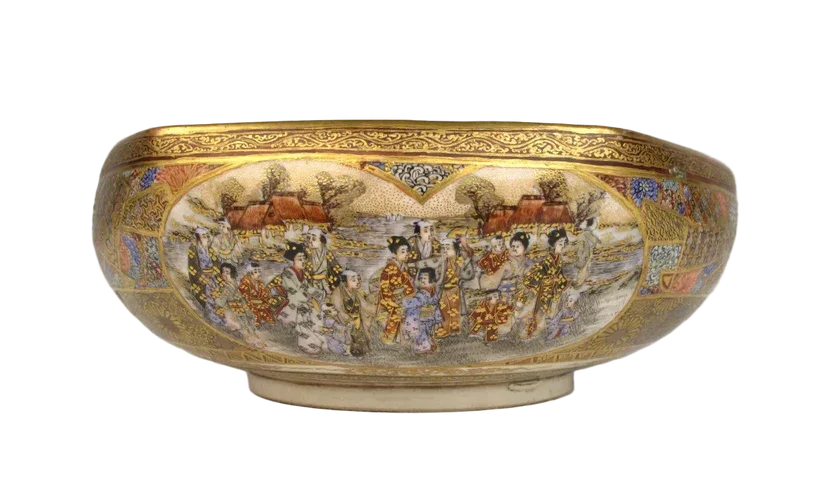
Satsuma porcelain refers to a specific style of ceramics that originated in the Satsuma region of Kyushu, Japan. It is characterized by its cream-colored, slightly crackled glaze and often features intricate designs, including floral patterns, landscapes, mythological figures, and scenes of daily life. These pieces are generally adorned with gold accents, which give them a luxurious and striking appearance.
While Satsuma ceramics have evolved over the centuries, they are most famous for their 17th and 18th-century productions. These early pieces are now considered antique and are highly valued by collectors around the world.

The Key Features of Satsuma Porcelain
1. The Cream-colored Glaze
One of the most distinctive features of Satsuma porcelain is its cream-colored, crackled glaze. This finish gives the pottery an antique, aged look, even when it is newly made. The texture of the glaze can range from smooth to slightly rough, contributing to the piece's tactile quality.
2. Intricate Designs and Decoration
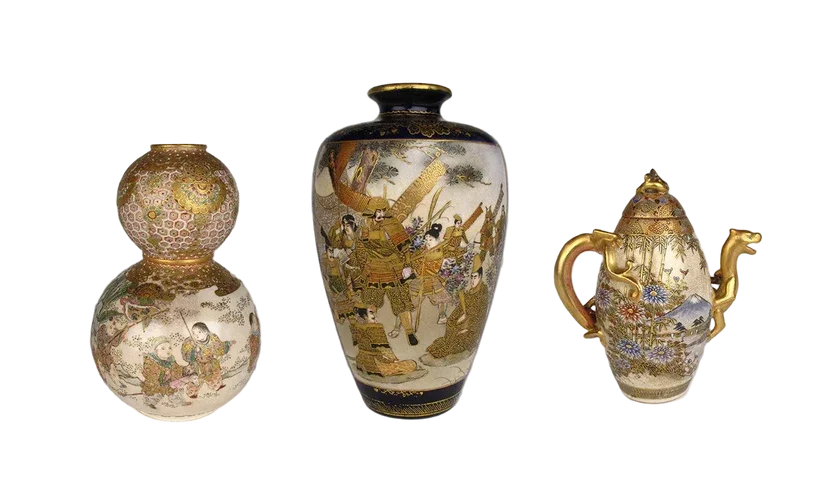
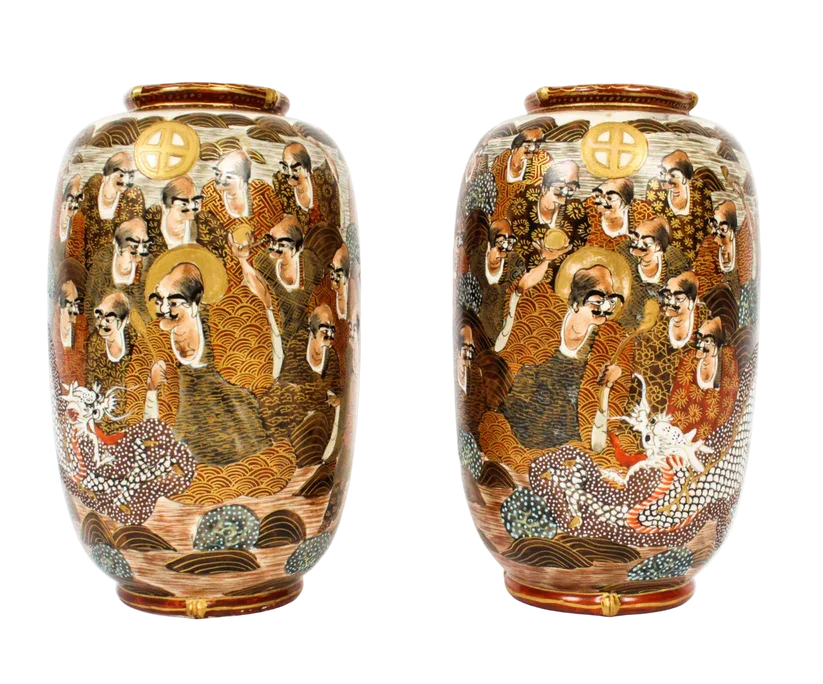
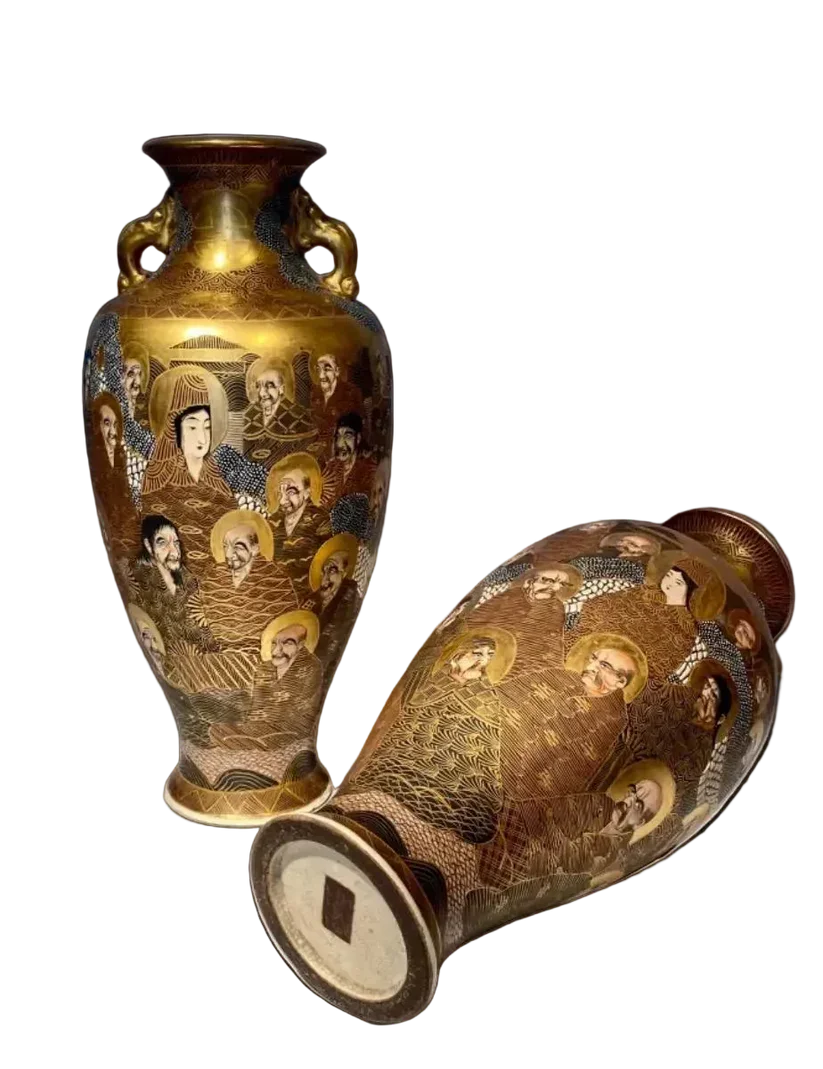
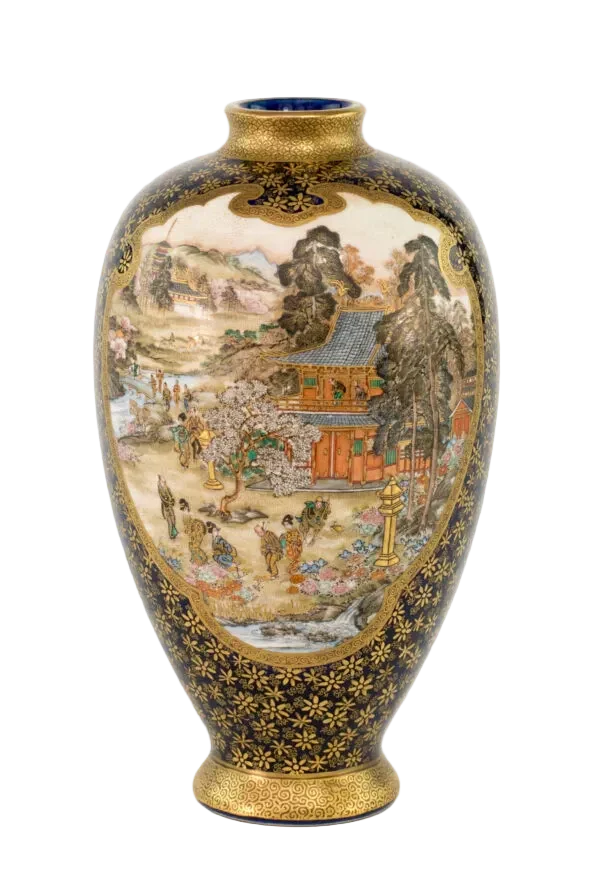
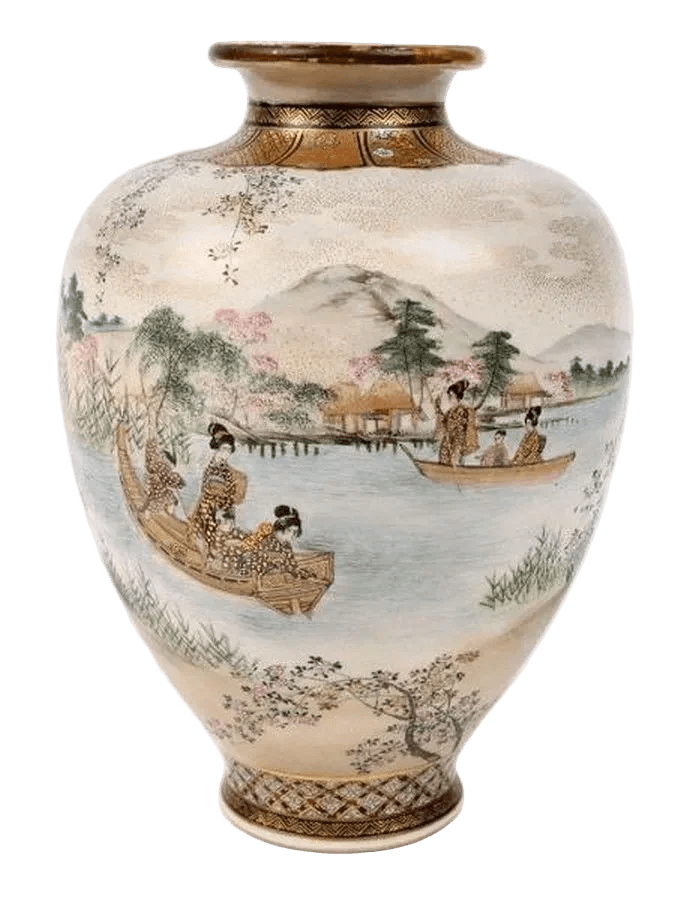
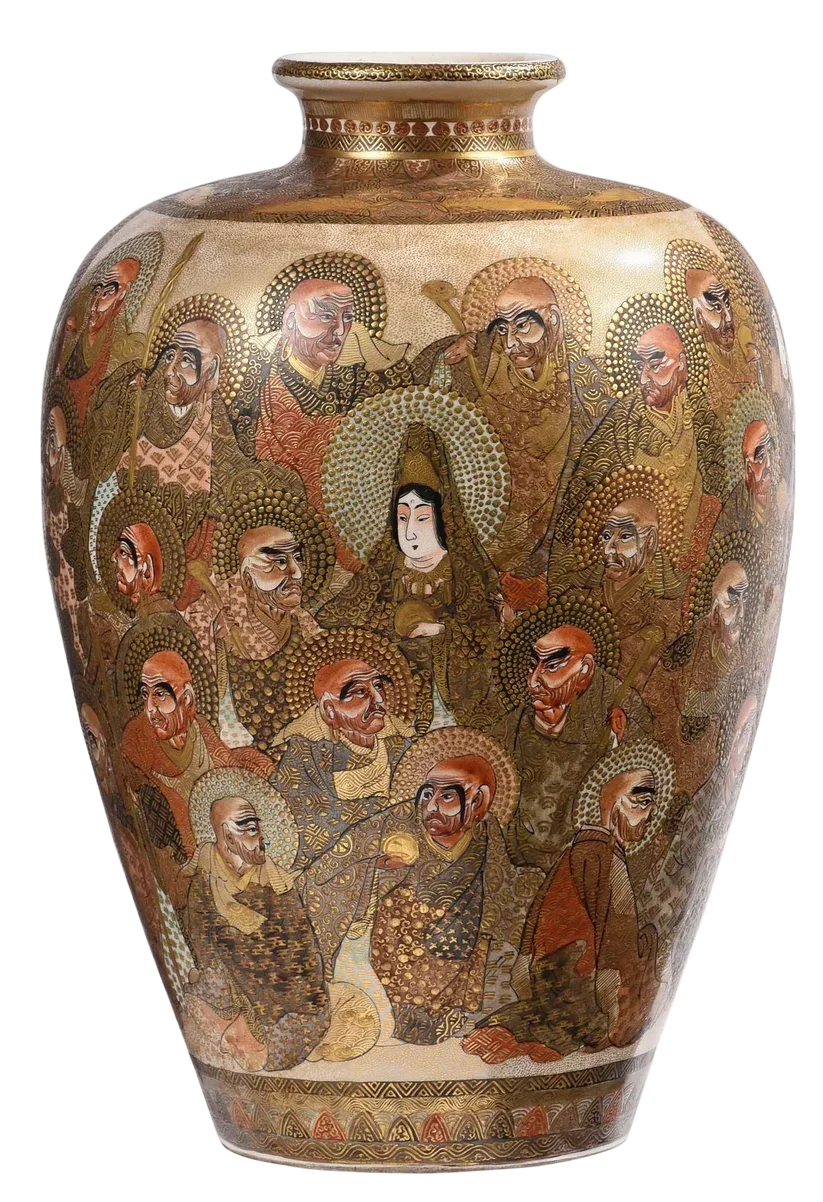
Satsuma pieces are often decorated with intricate gold leaf and painted designs. The imagery typically includes natural motifs like flowers, birds, and trees, as well as depictions of Japanese mythology, such as dragons, samurai, and geisha. The designs are sometimes applied with fine brushstrokes or even hand-painted details.
In the late 19th century, Satsuma porcelain was also influenced by Western styles, incorporating European themes like floral motifs and scenes from everyday life.
The term "Satsuma" comes from the Satsuma Domain (now part of Kagoshima Prefecture) in southern Japan, where the art form first emerged. It is believed that Satsuma ceramics date back to the late 16th century, during the Azuchi-Momoyama period (1568-1600). The region had access to high-quality clay, and potters began experimenting with new forms and glazes, inspired by both Chinese and Korean pottery techniques.
During the Edo period (1603-1868), Satsuma ceramics gained national and international recognition. The kilns in Satsuma were refined, and the art of creating porcelain was passed down through generations. By the 18th century, Satsuma ware had become highly fashionable in Japan and was even sought after by European collectors.
3. Shape and Size of Satsuma Porcelain Pieces
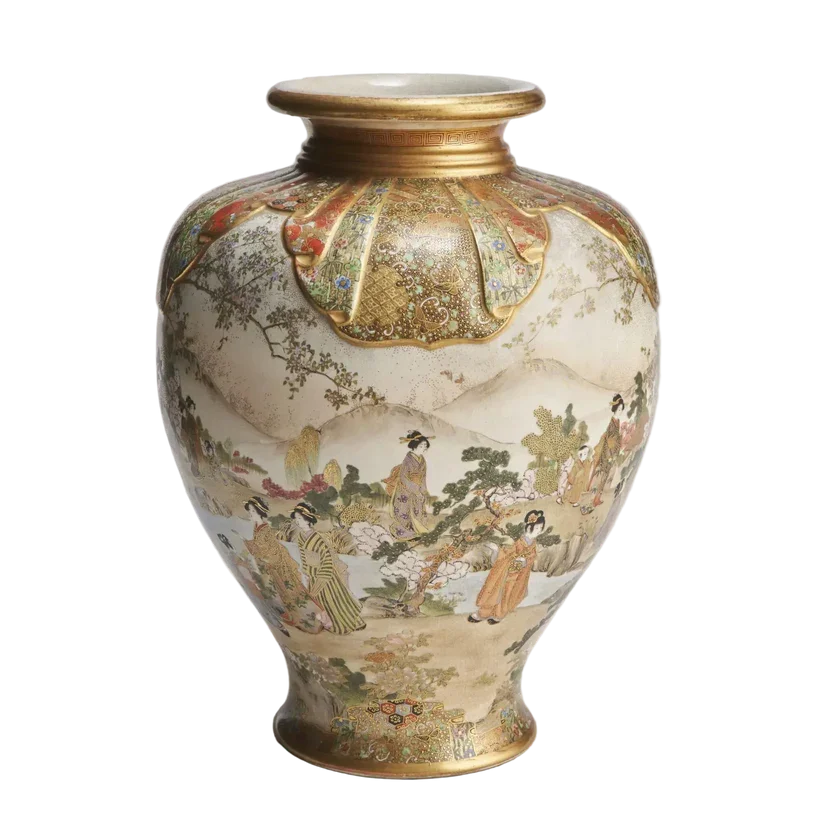
Satsuma porcelain can be found in a wide range of forms, from small figurines and vases to larger urns and pottery jars. The vases and plates are some of the most recognizable forms, often featuring elegant, elongated shapes or ornate borders. The figurines are equally detailed, typically showcasing mythological characters, animals, or historical figures.
4. Gold Leaf Accents
One of the hallmarks of high-quality Satsuma porcelain is the use of gold leaf or gold paint to embellish the designs. This addition gives the pieces a sense of luxury and opulence, making them highly coveted by collectors. The gold is typically applied with great precision, creating intricate borders or highlighting specific details in the artwork.
Satsuma Porcelain Through History
Early Satsuma Porcelain (16th–17th Century)
The first pieces of Satsuma ware were produced in the late Azuchi-Momoyama period and the early Edo period. Early Satsuma pieces were typically stoneware rather than porcelain, and they often featured simple, rustic designs. These pieces were mainly utilitarian, used for everyday purposes by local people.
By the 18th century, the quality of the pottery began to improve, and the influence of Chinese porcelain became evident. The kilns in Satsuma were producing finely crafted porcelain pieces with delicate decorations. This period marked the rise of Satsuma ware as a luxury product and as an important art form in Japan.
20th Century and Beyond
By the 20th century, the popularity of Satsuma porcelain declined somewhat, particularly as other forms of ceramics gained prominence. However, Satsuma pottery continued to be produced in Japan, albeit on a smaller scale. Many modern Satsuma pieces retain the traditional techniques and styles but are also influenced by contemporary tastes.
Today, Satsuma porcelain remains a prized collectible, and antique Satsuma ware can fetch high prices at auctions. The pieces are also considered symbols of Japan's artistic heritage and are often displayed in museums or private collections worldwide.
The Golden Age of Satsuma Porcelain (19th Century)
The Meiji period (1868-1912) is considered the golden age of Satsuma porcelain. During this time, the quality of production increased even further, and the pieces became highly prized by foreign collectors, especially in Europe and the United States.
Satsuma ware was often exported to the West, where it gained popularity among aristocrats and collectors. The detailed work and use of gold gilding became increasingly intricate, and Western influences began to appear in the designs. This was a period of rapid technological advancement in Japan, and Satsuma porcelain was no exception.
Why is Satsuma Porcelain So Valuable?
There are several reasons why Satsuma porcelain is highly valued:
Historical Significance: Satsuma ware represents an important period in Japanese history, particularly during the Meiji era when Japan underwent significant cultural and industrial change.
Craftsmanship: The level of craftsmanship and attention to detail in each piece is extraordinary. The use of fine gold accents, intricate painting, and high-quality glaze make these pieces stand out.
Rarity: Antique Satsuma pottery, particularly from the 18th and 19th centuries, is rare and difficult to find. Many pieces have been lost or destroyed over the centuries, which makes surviving examples even more precious.
Aesthetic Beauty: The combination of vibrant colors, beautiful gold accents, and delicate designs make Satsuma porcelain pieces visually striking and ideal for collectors who appreciate fine art.